The surface list behind the number
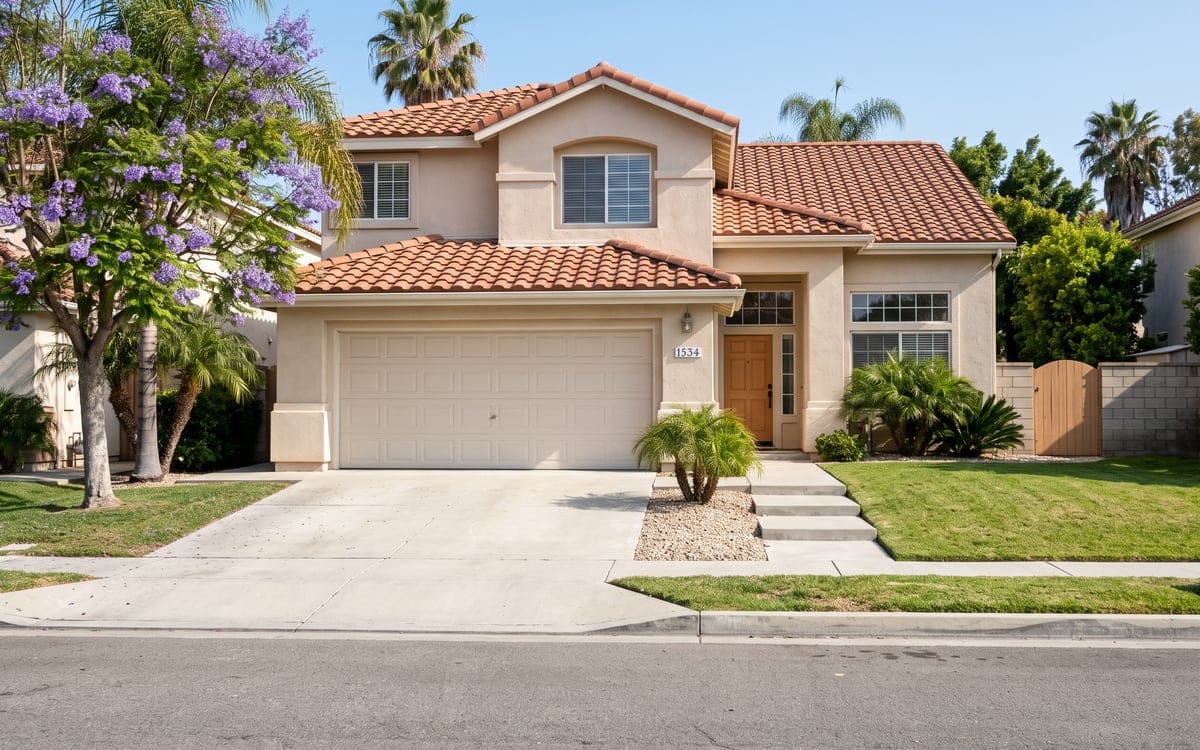
Every wash begins with a surface list. Walls get one method, a roof another, concrete another, and each surface on the list adds something to the plan. A full house wash is a shorter list than a house plus a roof plus a driveway plus a deck. Walking the yard once before you call, with a quick note of what looks dirty, helps the first call go faster.
The same handful of inputs comes up on every call.
| What changes the price | Why it matters | What to tell us when you call |
|---|---|---|
| The surface list | A roof, a wall and a slab each need their own setup | Which pieces you want on the quote |
| How tall the walls are | A second story asks more of a ground wand | Gables, dormers, any high trim |
| Roof included or not | The roof is a separate pass and a separate line | Include it, leave it, or quote later |
| Size of the paving | Larger slabs mean more passes with the wand | A rough feel for the drive and the walks |
| Kind of stains | Oil, rust and lichen take more work than a dusty film | What the stains look like, and where on the house |
| Side-yard reach | A tight gate or a planter line stretches the setup | Gate size, locks, anything along the path |
| The outside spigot | Reach and flow shape the hose runs | Where it sits, and whether it still works |
| How long since the last wash | A long gap means more layers to lift | Roughly when the walls were last cleaned |
Height and stories change the work
A one-story ranch is a different job from a two-story house, because the siding and trim above the first floor take more care to reach well from the ground. A roof above that is further up again. Second-story walls and roofs are washed from the ground, and getting to them well takes more work than the siding under the eave. A tall front gable, a dormer or a second-story bay window pushes the number more than most people guess.
Attached stairs and exterior landings on an older stucco house add their own setup, because the walk-up itself needs washing and the surface meets a stucco wall at every turn. A single-story place with a wide drive and a long back patio can run through as much concrete as a smaller two-story house with less of it.
A roof is priced as its own job
A roof cleaning is washed from the ground at low pressure, with a different setup from the walls below it. If you want the roof on the list, say so when you call.
If the walls are the only thing you have in mind right now, that is fine too. The streaks on the roof can wait, and we can quote that side later.
Stucco, wood, brick and concrete each want their own method
Pressure washing is really a short word for a few different jobs, and the number shows which ones your house needs. Stucco and painted wood siding usually get the low-pressure soft wash. Brick is washed at a lower pressure than concrete, with care at the mortar joints. Bare concrete drives and walks take more pressure than the walls and want even passes.
Older housing in Los Angeles leans the method toward the gentle side. The median home in the City of Los Angeles was built in 1965,1 and older stucco, trim and paint want the lighter touch at the wand. Walls with peeling paint or loose stucco are a painter's or plasterer's call, not ours.
Some stains take more work than others
A faint dusty film on a shady wall usually comes off at low pressure without much fuss. Rust streaks down a wall, oil shadows set into driveway concrete and lichen on a fence board all take more work to lift, and the number carries that.
Leaf stains on concrete under a jacaranda, tire marks across a drive and the dark haze near a garage from drips off a car are all pieces that decide whether a wash runs over mostly clean surfaces or has to work on top of something that has sat for a while. Say which stains bother you most when you call, especially the odd ones. Where they are and how big a patch they cover help us picture the job.
A house and a small apartment building are different jobs
The city holds a lot of small buildings next to its houses. Detached single-family houses make up 560,632 of the city's 1,554,332 housing units, about 36 percent,2 and about 9 percent of the city's housing units are in buildings of two to four units.2 A single-family wash and a courtyard wash on a fourplex are not the same job and do not price the same way.
A house and a small building are different jobs
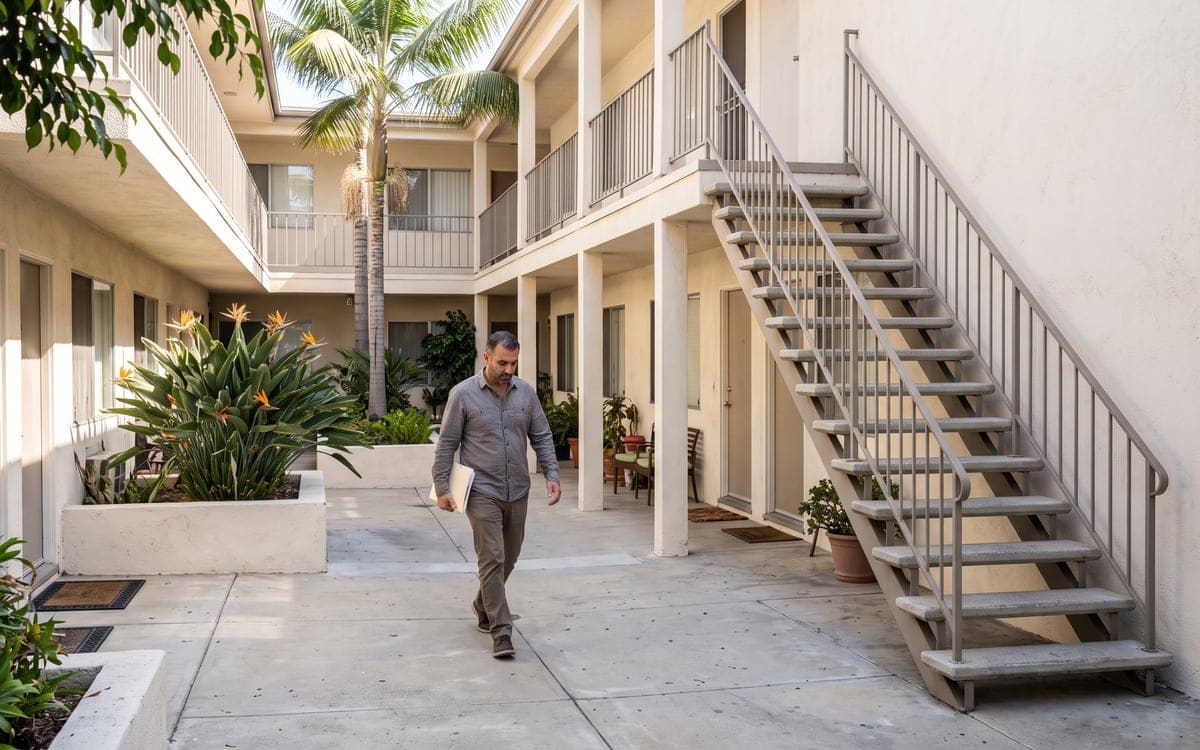
A house wash covers walls, trim, roof and the drive. A small building shifts to walkways, exterior stairs and courtyards.
A house
- Walls, roof, drive and back patio
- One story or two
- The gate, the spigot and the yard
A small apartment building
- Walkways, stairs and courtyards
- Tenants coming and going
- Parking areas and shared access
A house wash runs through the walls, the trim, the roof if you want it, and the drive and walks around the house. A small apartment building wash shifts to walkways, exterior stairs, courtyards, a shared trash enclosure area and the stucco of the building itself. Tenants are coming and going, so the walk-around covers parking and quiet windows along with the surfaces. If you are a landlord or a property manager, tell us about the building on the first call: how many units, how tall it is, whether there is a courtyard, and whether the roof is on the list.
Access, parking and the outside water all matter
A wash runs on water. If your outside hose bib works and reaches the far corners of the house, the setup is simple. If the only working bib is on the opposite side from where we start, the setup is a bigger piece of work. Side-yard access is the other quiet factor. A tight gate, a locked fence, planters along the walk and overhanging branches at head height all add to what the crew does on the way to the wash itself. On a small building, add the gate code or buzzer, where tenants park, and whether street parking is on the plan.
None of that changes what the wash does. It changes what it takes to get to the wash, and that effort shows up in the number.
Washing several surfaces together changes the math
If you have been thinking about handling the house itself, the drive out front and a deck or fence at the same time, mention the whole list up front.
The walls usually come first, the roof as its own pass if it is on the list, and the concrete after, so the drive finishes clean.
Why two quotes on the same house can land far apart
Two quotes on the same Los Angeles house can differ because they are not covering the same job. One company may be quoting the siding only, another the siding plus the eaves plus the back patio. One may use the low-pressure method on the walls, another more pressure than the surface needs. When you compare numbers, compare the surface lists and the method named for each surface, line by line.
What to tell us for a price that holds
A price fits a job when you can describe the house, the surfaces and the yard. Where wash water can and cannot go in Los Angeles also shapes the plan, because a crew's water handling is part of a careful quote on any job.
What to have in mind when you call
These four answers shape a price more than anything else.
What needs washing
Walls, roof, drive, patio, deck or fence.
What it is made of
Stucco, wood, brick, tile, concrete or pavers.
How tall it is
One story or two, and whether the roof is part of it.
How we get in
The gate, parking and the outside spigot.
A few plain answers on the first call help us picture the job before anyone drives out. Rough measurements of the drive and walks, the material of the siding if you know it, the shape of the roof, where the outside bib is, and anything in the yard that needs a plan (plants, pets, a koi pond, a fresh bed of plantings) all count. If you are a renter and the landlord or the property manager is paying, tell us that too, so we can line up a time that fits them.