How a driveway gets washed, slab by slab
1. A look at the concrete first
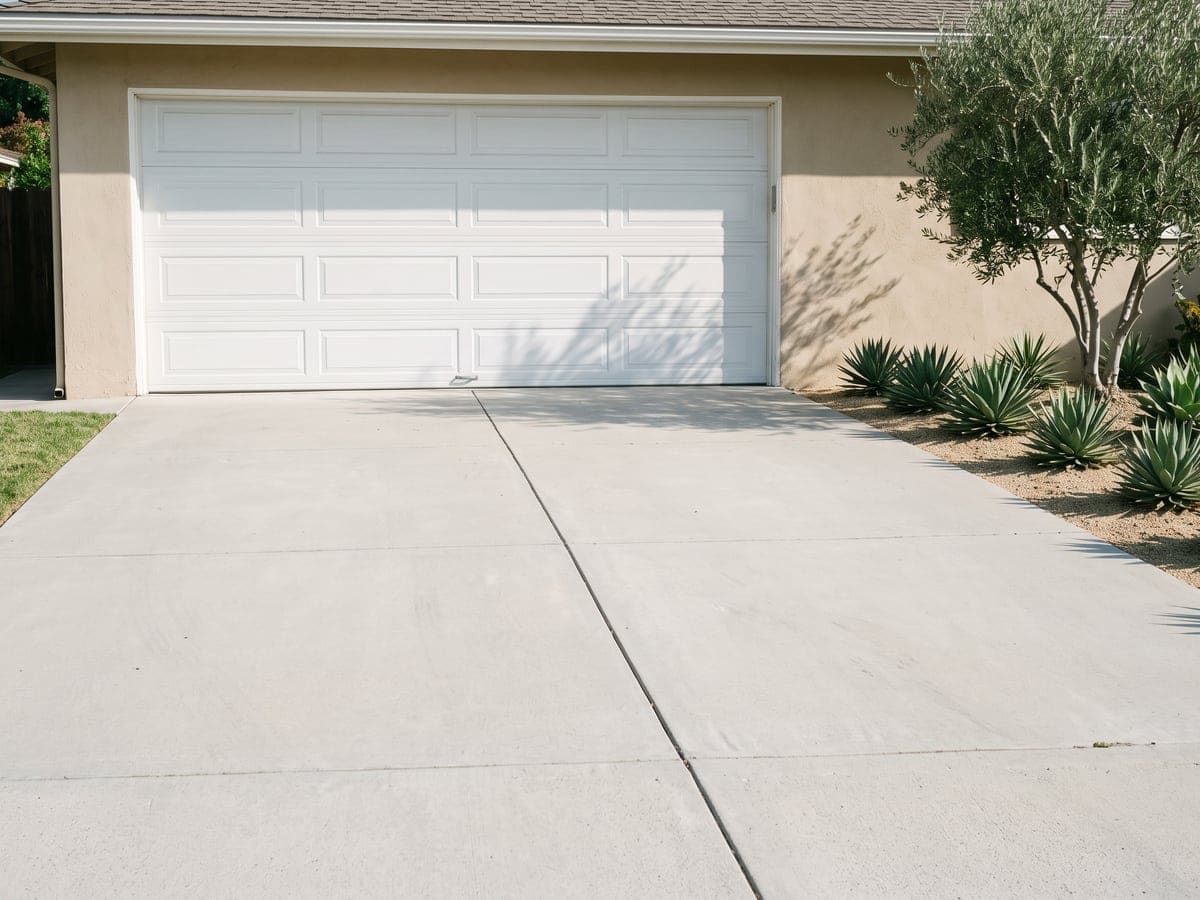
The crew walks the drive and points out the marks that matter: oil under where the car sits, rust from a sprinkler or planter at the edge, tire rubber at the curb cut, cracks, open control joints, and the seam where the drive meets the sidewalk. Pavers get the same walk, with a look at the sand in the joints and any piece that has sunken. The point is to agree about what the wash can lift and what it cannot before any water is on.
2. Leaves, dirt and loose debris swept up
Before the first drop of water, the slab is swept. City code bars putting leaves, dirt and other landscape debris into the storm drain system on purpose,1 and the code counts streets and gutters as part of that system.1 Leaves off the drive go in a bag, not toward the curb.
3. Spots like oil and rust get attention first
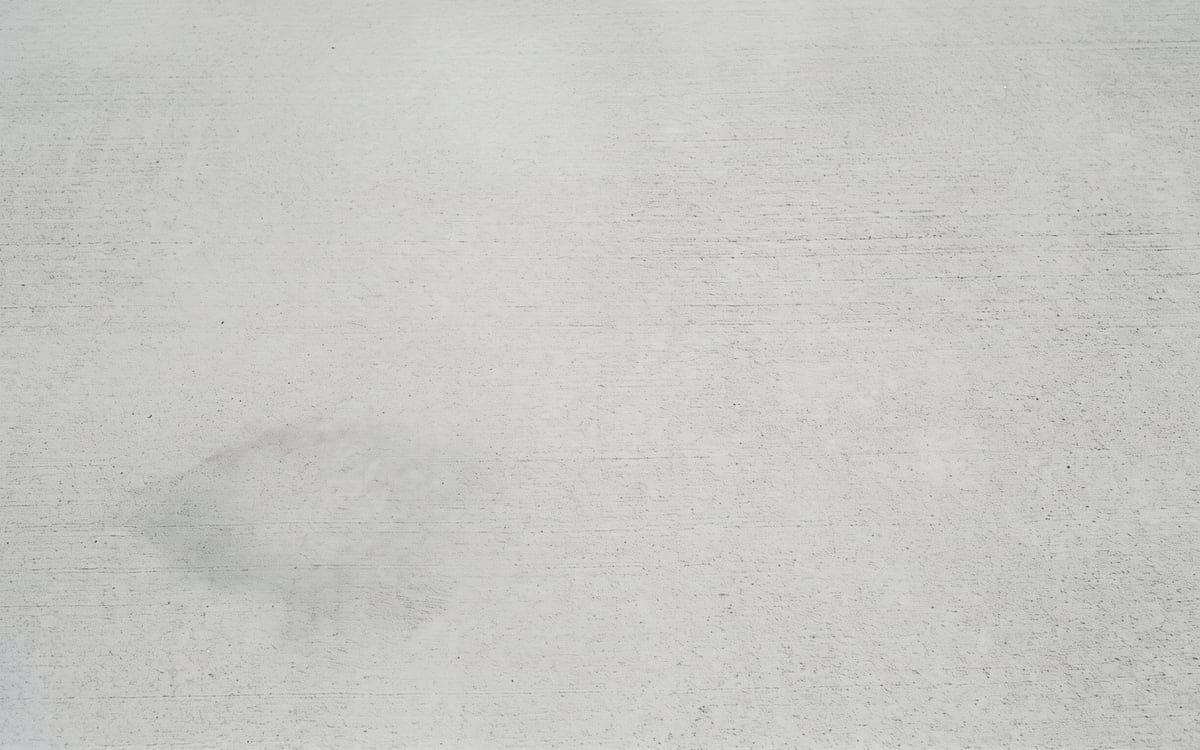
Oil drips, rust streaks and old dark patches get worked on first. Some lift most of the way, some lighten and hold. At the walk we point out which stains we expect to lift cleanly and which ones will likely leave a shadow once the slab dries. What oil does to concrete and what comes out goes through the usual cases.
4. The main wash across the slabs
Concrete and sound pavers take more pressure than siding does; walls get the gentler method.
5. Edges, steps, walks and the patio
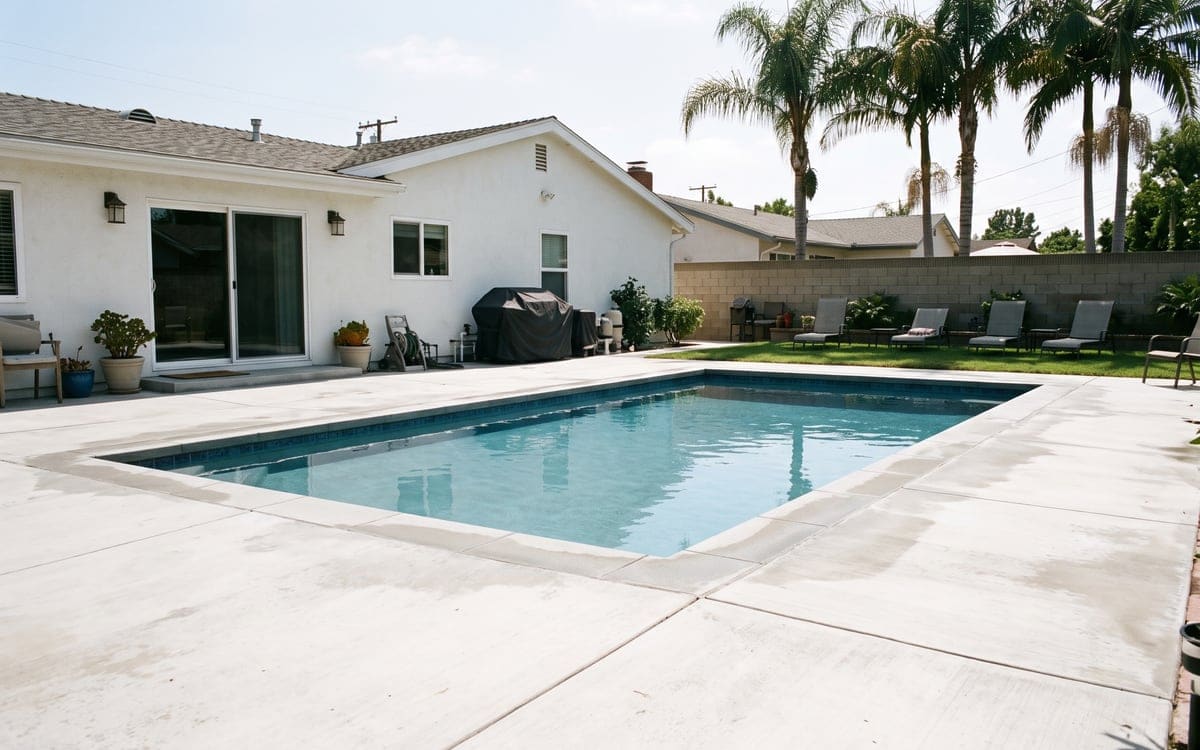
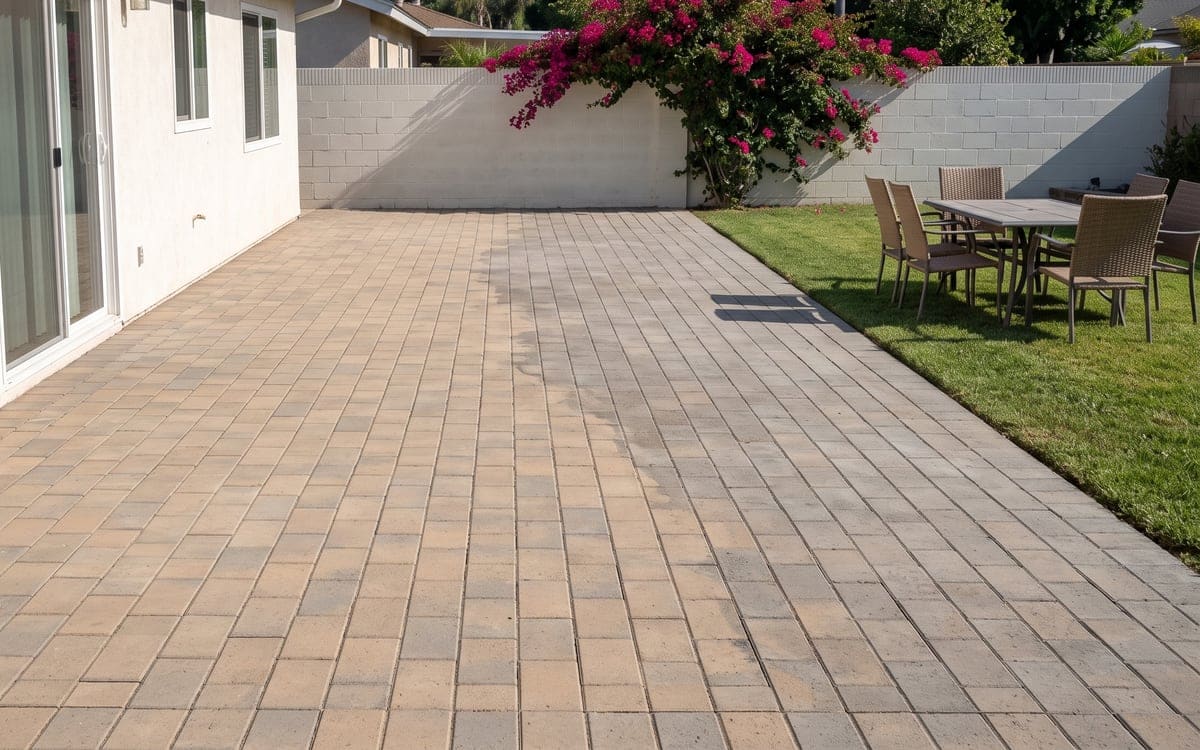
The edges where the drive meets the lawn, the steps and the front walk get a pass. A back patio takes the same approach, pavers and brick included. Furniture gets moved off and pool equipment stays covered. Sand that comes up out of a paver joint gets noted.
6. A rinse and the slab after
After the wash, a rinse clears the slab. On a slab that has sat dull for years, some tone stays in the concrete.
| Stain or surface | What it usually is | What washing does |
|---|---|---|
| Oil drips | Fuel or motor oil soaked into the top of the slab | Lightens; a fresh spot moves more than one that has been soaking for years |
| Tire marks | Rubber ground into concrete at the curb cut and the turn | Often lifts under the main pass |
| Rust streaks | Iron from a sprinkler head, a planter or outdoor furniture | Some lifts, some holds, depending on how long it sat |
| Leaf and flower stains | Tannin from fallen leaves, jacaranda petals or berries | Lifts well on a reasonably fresh mark |
| Dull gray concrete | Dust, pollen and foot traffic ground into the top | Pulls the slab back toward the color it was poured in |
| Pavers with sand joints | Face dust, a green film in the shade, sand low in the joints | Cleans the face; sand that comes up gets noted |
| A pool surround | Pollen, leaf stains and a dull film around the water | Walks the surround with the pool equipment covered |
The walls above the drive sit on a different page, and a wood deck beside the patio has its own approach.
Where a driveway wash fits
When a wash is the right job
- Dull, stained or blotchy concrete at the front of the house
- A patio or pool surround before a weekend of people over
- A paver walk that has gone darker in the shade than in the sun
- A house going on a listing photo or a sale
When a wash is not the whole answer
- A paver walk that has gone darker in the shade than in the sun, with sunken pieces or lifted edges
- A slab with wide cracks or open control joints
- A pool surround with chips at the water line
Which bucket a project lands in is plain once we are at the drive. If a slab has a crack running through where the wash will go, we point it out before anything is sprayed. The walls above the slab sit on everything else we wash.
What the visit covers
A driveway wash covers the slab, the control joints, edges, steps, the front walk and the apron at the public sidewalk. Patios, pavers, brick walks and the pool surround can be part of the same job. The crew goes over what gets touched and what gets skipped before any work starts.